
Safe Loading and Unloading: 5 Mistakes to Avoid in Warehouses and Transport
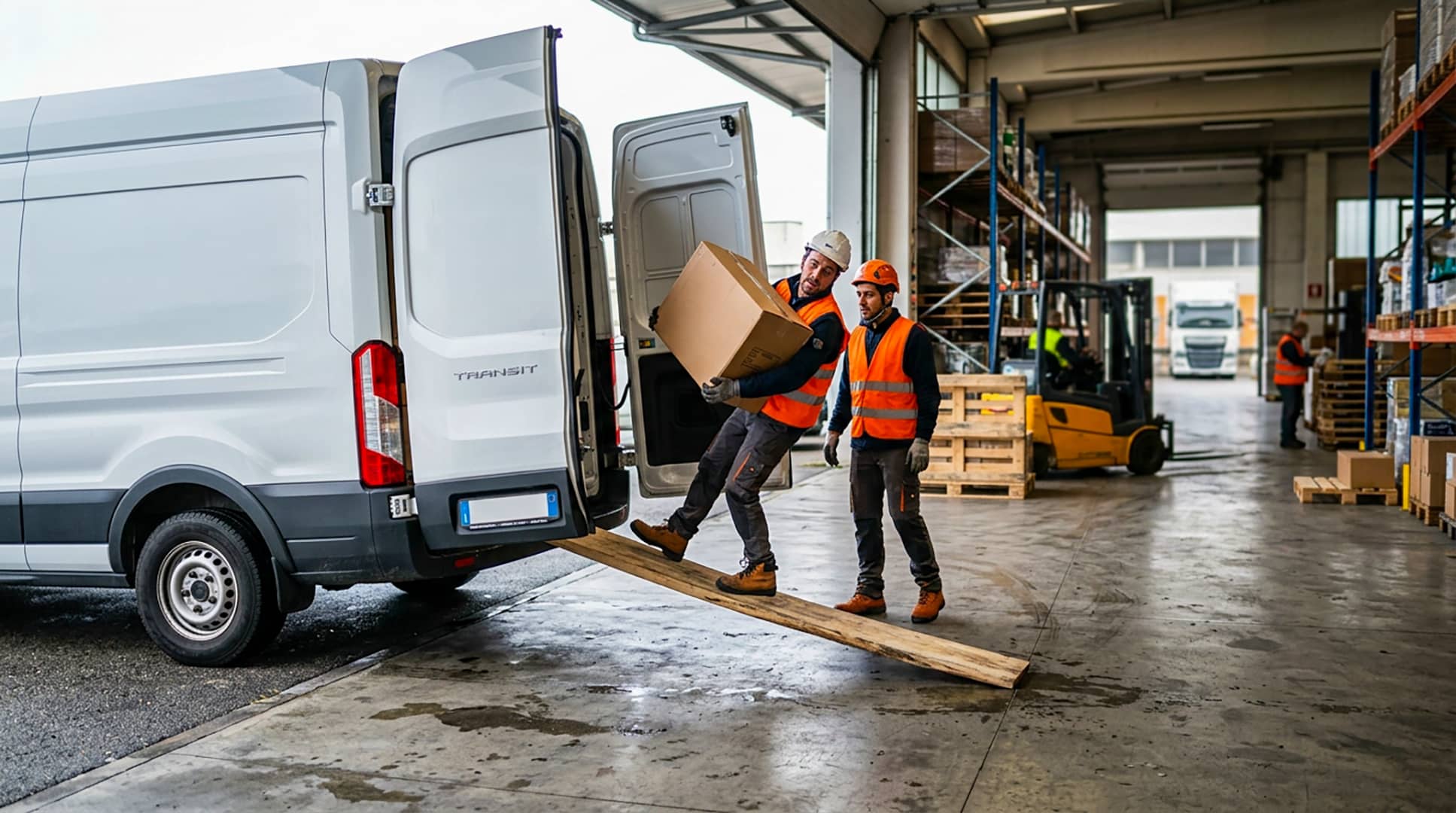
In the world of logistics and transport, loading and unloading goods is an operation carried out hundreds of times a day.
Precisely because it is so repetitive, it is often underestimated.
Yet even a small mistake can turn into an accident, financial damage, or—worse—a serious safety issue for people.
According to INAIL data, over 30% of workplace accidents in warehouses and transport occur during manual or mechanical handling of goods.
The main causes? Poor training, inadequate equipment, lack of maintenance, and procedures not being followed.
“Safety is never a cost, but a long-term saving,”
emphasizes Andrea Corradini, International Sales Representative at WM System.
“A well-designed loading ramp can reduce working time by 50% and prevent most accidents.”
Let’s look at the 5 most common mistakes to avoid in order to make loading and unloading truly safe, efficient, and compliant with regulations.
1 – Underestimating ramp slope
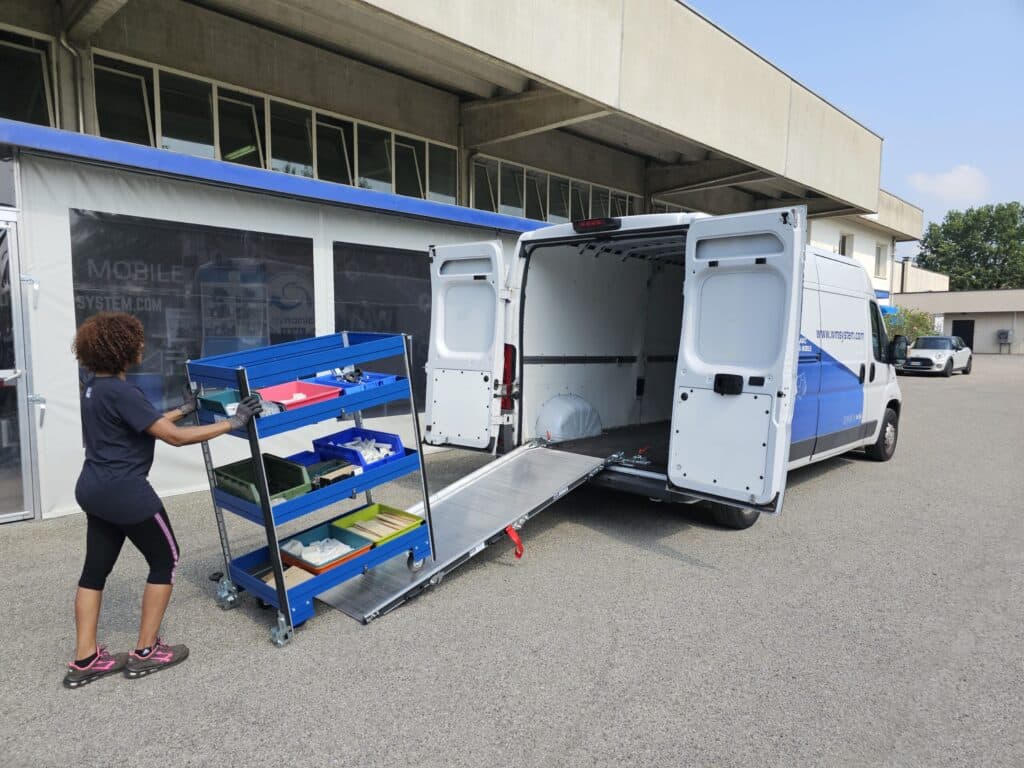
Slope is one of the most critical parameters.
A ramp that is too steep can cause loss of control of the load or slipping of handling equipment (trolleys, pallet trucks, lifts).
According to EN 1398, the recommended maximum slope should not exceed:
- 12.5% for mobile ramps
- 8% for fixed ramps
👉 WM System solution:
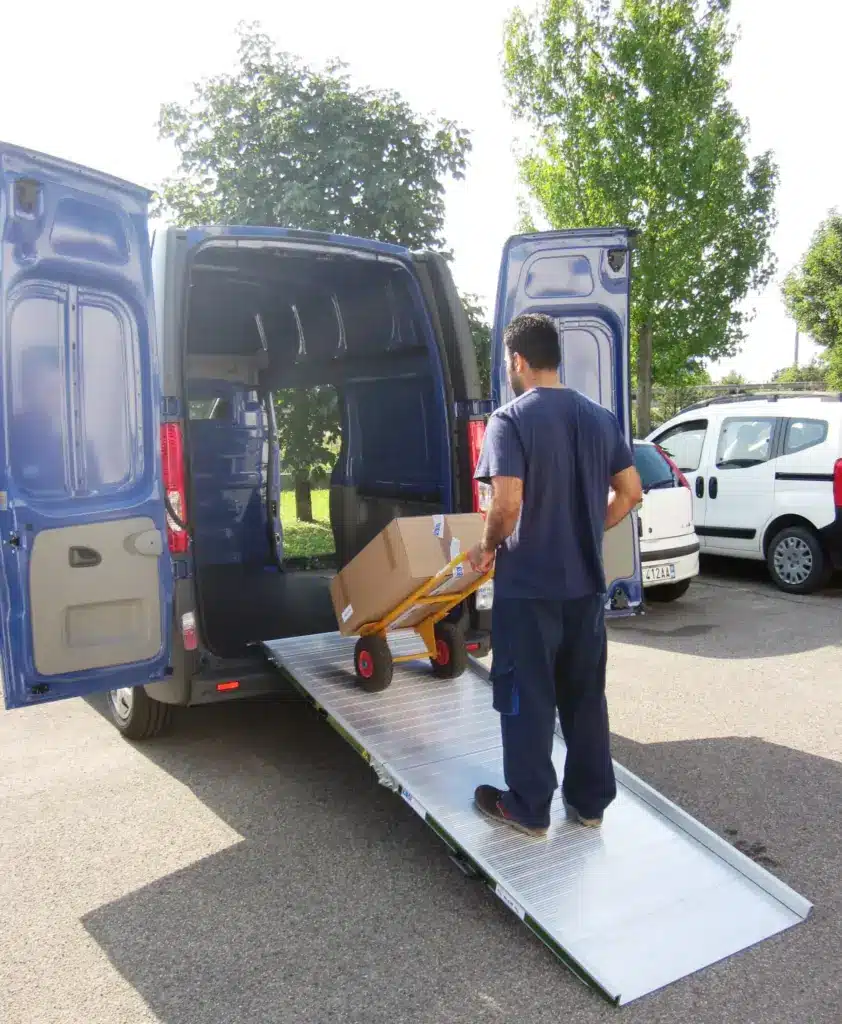
Anodized, non-slip aluminum ramps ensure high grip even in damp or dirty conditions and are custom-built to achieve the correct slope based on loading height.
2 – Using improvised or non-certified ramps
Too often, planks, platforms, or unstructured panels are still used as makeshift ramps.
They are dangerous, untested, and lack CE certification.
Structural failure can damage goods or cause falls with serious consequences.
👉 WM System solution:
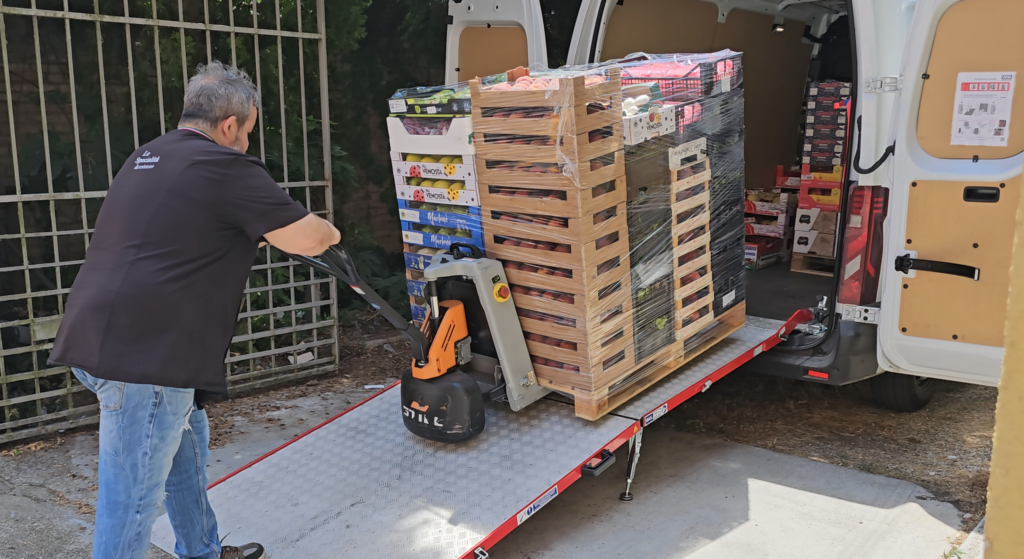
Every WM System ramp is certified to European standards, tested for loads from 300 to 1,800 kg, and designed to withstand long-term use without deformation.
The choice of materials—reinforced aluminum and welded modular profiles—ensures even weight distribution.
“A non-certified inclined surface can be very costly,”
comments Gerardo De Micco, Head of Barriers and Industrial Safety.
“A WM System ramp is a guarantee of reliability, not just an accessory.”
3 – Ignoring timing and operational logistics
Every minute lost during loading and unloading translates into delays, costs, and operational stress.
A poorly optimized workstation forces operators into repeated maneuvers, manual handling, or improvised solutions.
👉 WM System solution:
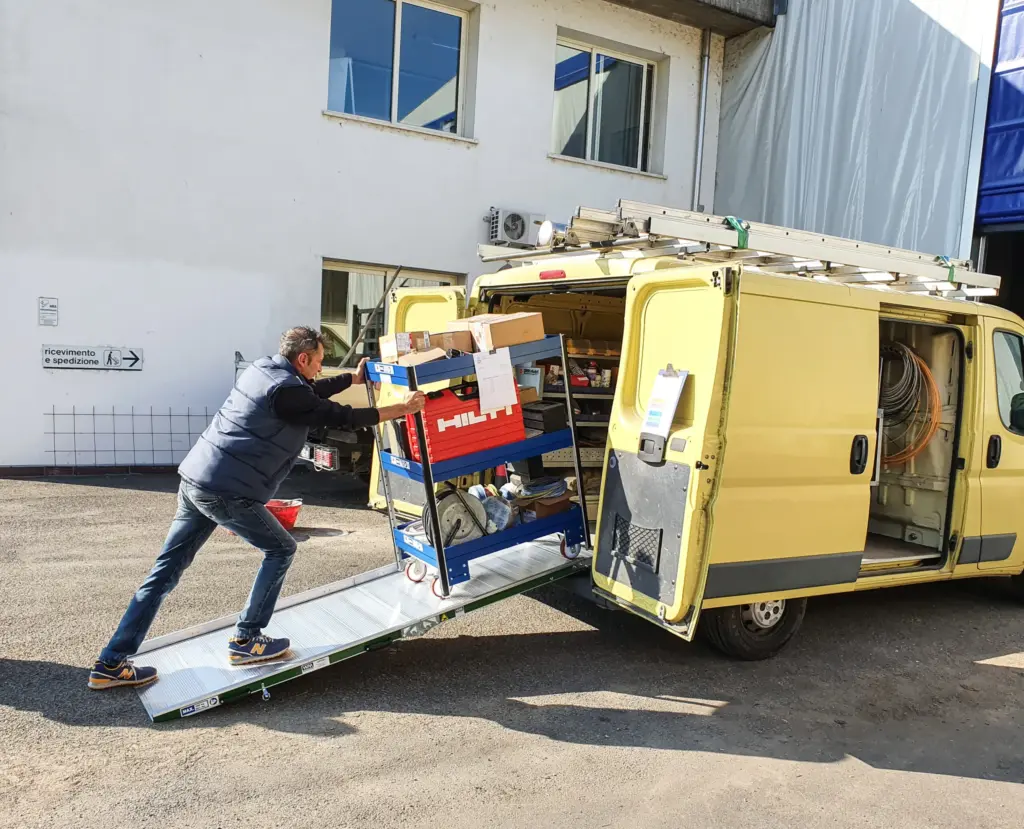
WM mobile and folding ramps can reduce average loading times by 40–50% compared to traditional solutions.
Thanks to ergonomic design and quick-coupling systems, a single person can position the ramp in seconds, safely and without strain.
Technical data:
An internal WM System study shows that, in an average workflow, a company performing 10 loadings per day can save up to 90 minutes of labor by using an optimized ramp.
4 – Neglecting maintenance
Even the most robust ramp requires periodic checks.
Dust, moisture, vibrations, and wear can compromise grip or stability.
Maintenance is not just best practice—it is a legal requirement under Italian Legislative Decree 81/08 on workplace safety.
👉 WM System solution:
Aluminum ramps do not rust, require minimal maintenance, and are designed to withstand weather exposure.
For customers with intensive use, WM System offers spare-part kits and seasonal inspections to ensure consistent performance and safety.
5 – Failing to consider the operator as part of the system
Safety starts with people.
A safe ramp is of little use if the operator is not trained, unaware of load limits, or underestimates risks.
In Italy, about one in five warehouse accidents is due to human error related to handling operations.
👉 WM System solution:
Every project includes clear instructions, technical documentation, and basic operator training.
In addition, the light weight of mobile ramps—up to 30% lighter than traditional steel ramps—significantly reduces physical strain, helping prevent injuries and musculoskeletal disorders.
“Our goal isn’t just to sell a ramp, but to improve how people work,”
explains Ilaria Ghidoni of WM System.
“Every technical detail comes from listening to those who load, unload, and move goods every day.”
Toward smarter, more human-centered logistics
The logistics sector is evolving rapidly: automation, robotics, digitalization.
Yet part of the work remains inherently human—and must be carried out in conditions of safety, efficiency, and comfort.
WM System ramps are designed with this philosophy in mind: combining mechanical innovation, ergonomics, and reliability to turn a repetitive action into a smooth and safe process.
“An efficient warehouse isn’t just one that works faster,
but one where every movement is designed to last over time.”
Loading and unloading is not a trivial task.
It is a technical, physical, and organizational operation that embodies a company’s productivity.
And like every repeated action, it deserves attention, training, and the right tools.
WM System ramps represent the natural evolution of safety and smart logistics: solid, certified, easy to use, and built to last.
📩 Want to improve safety and efficiency in your loading area?
👉 Discover WM System solutions for professional handling.


